


A daily nutrition foundation
Magnesium, zinc, saffron and phosphatidylserine, alongside essential vitamins.
15 ingredients for growing brains, in one fizzy drink they actually ask for.
Magnesium, zinc, saffron and phosphatidylserine, alongside essential vitamins.

P-5-P B6, L-methylfolate and methylcobalamin B12. The forms and amounts are on the label.

Berry Cherry, Strawberry Lemonade, Watermelon and Orange Creamsicle.

100 mg L-theanine with 50 mg caffeine from green tea per serving.
“It helped my son’s brain ‘calm down’, as he says… It was easier for him to focus on what he needed to focus.”
 Brittany TruesdaleGoogle review
“I noticed better focus… and better mood. We will keep this in stock as a staple.”
 Hannah LeavittGoogle review
“My 11 year old daughter could tell an immediate difference when she used the 2 trial packets! Game changer!”

“A few months into FizzyFocus, she comes home, does her homework, and we're done at a normal time…”
We couldn’t play this video. Open the video.
“He loves the flavors, and honestly his favorite part is watching it fizz!”
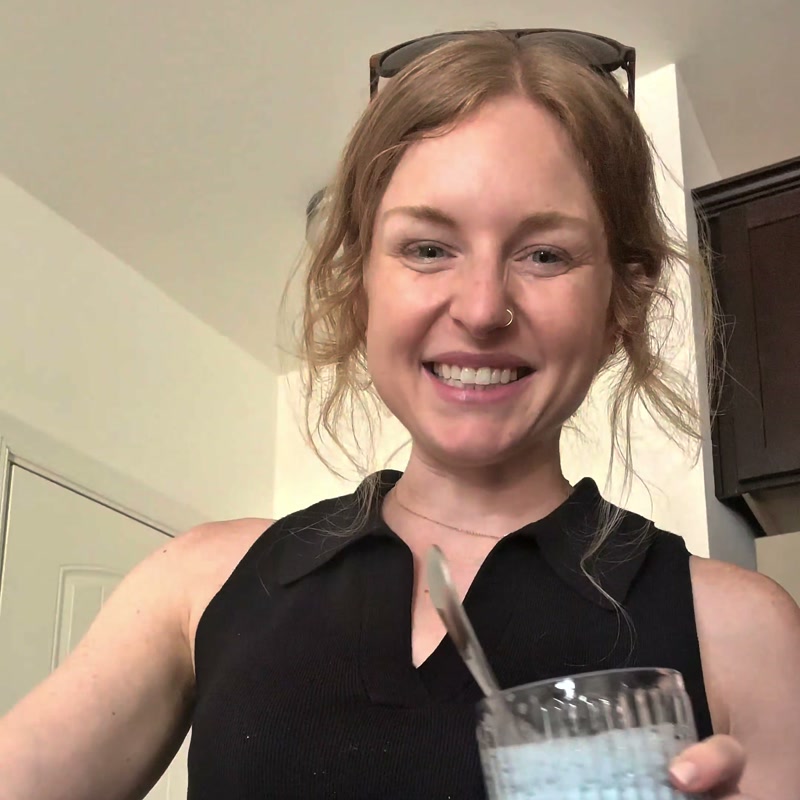
“FizzyIQ has been a game changer: he actually asks for it, and our mornings have been so much smoother.”
We couldn’t play this video. Open the video.
“One of our picky eaters actually drank it!!!”
“Hi, your product is great!”
Jill noticed a difference at first, but her son stopped drinking it because he didn’t enjoy the taste.
Now choose from four flavors, including Watermelon and Orange Creamsicle.
“We love the samples and I ordered more.”
“Hey! My kids have been drinking it and it’s amazing! Unfortunately they got tired of the blue flavor one.”
“We love it and think it works well!”
“I really appreciate the quick response and sending a replacement!”
“My son loves the taste”
Stories from families who use FizzyFocus. Every child is different, and results vary.

Ana Gilman, NP
Family medicine
10 years in practice
Verified on FrontrowMD
“The formula behind FizzyFocus adds to my reassurance in recommending it to parents who want to support their kids’ or teens’ focus and concentration.”†

Dr. LaTresha McBride, MD
Pediatrics
19 years in practice
Verified on FrontrowMD
“I recommend Fizzy because it provides meaningful amounts of Vitamin C and grape extract (along with other ingredients I value) without added sugar…”†

Dr. Grace Hidalgo, MD
Pediatrics
18 years in practice
Verified on FrontrowMD
“Overall, I really like FizzyFocus for patients because it combines saffron with other nutrients that can support nerves and focus.”†

Elizabeth Santoro, PA
Primary Care
2 years in practice
Verified on FrontrowMD
“I find that FizzyFocus includes these calming nutrients in a format kids like.”†

Natalie Ramos, NP
Internal medicine
3 years in practice
Verified on FrontrowMD
“I think this formula is excellent for those who need better organization.”†
Clinicians receive free samples, not payment. Reviews may use FrontrowMD drafts. Individual opinions, not medical advice; FizzyFocus has not been clinically tested.
Clinicians receive free samples, are not paid, and may edit or submit FrontrowMD-drafted reviews. Opinions are informational, not medical advice.
†Individual clinicians' opinions, shared through FrontrowMD. FizzyFocus is made with clinically studied ingredients; the finished formula has not been tested in its own clinical trial. These statements have not been evaluated by the Food and Drug Administration. Always consult your child's provider.
FrontrowMD is an independent third party. Clinicians can try samples themselves or share them with patients. Submitted reviews reflect their views or experiences; FrontrowMD may offer draft reviews for them to edit or submit.
Brands must publish all detailed reviews, including negative reviews with clinical rationale. Clinicians who submit a review can offer their patients a 30% discount through FrontrowMD.
Learn more about FrontrowMD (opens in a new tab)
Vitamin
150 mg

Vitamin
10 mg

Vitamin
150 mcg DFE

Vitamin
250 mcg

Plant ingredient
15 mg

Plant ingredient
In 150 mg blend

Plant ingredient
In 150 mg blend

Mineral
12.5 mg

Mineral
100 mg

Plant ingredient
In 150 mg blend

Formula pairing
100 mg
Formula pairing
50 mg
Caffeine is a stimulant.

Vitamin
13 mcg
Phospholipid
100 mg

Plant ingredient
100 mg
A natural first step
Vitamins, minerals and targeted nutrients in one daily drink. Every amount is on the label.

A routine they look forward to
Your first pouch subscription includes samples of all 4 flavors, so they can find a favorite.
Choose their planAlongside their care
30 servingsDaily nutrition that goes alongside a stimulant, with their clinician’s guidance.
Explore pouch subscriptionsRead the amounts and ingredient research, then inspect actual batch certificates. The finished FizzyFocus formula has not been clinically tested.
A clear label
50 mgCaffeine from natural green tea per serving, paired with 100 mg L-theanine.
Why caffeine